How a Red Grape Becomes Pink Wine
Barring a few specific grape varieties, red and white wine grapes contain nearly colorless juice. The color that ends up in the bottle comes from pigments in the skins. The official word for these pigments is “anthocyanins.”
The grapes are pressed or crushed, and these pigments begin moving from the skins into the juice.
Separate the juice from the skins promptly, and you’ll be left with pale pink wine. Leave them together a little longer, and you’ll get more color, but also more tannin and other compounds. Leave the juice on the skins for days or even weeks, and now you’ve got the foundation for red wine. Don’t forget about your red grapes, or else you’re making red wine!
When you see this pink wine, or rosé, it usually was not made by mixing red wine with white wine. It was made by limiting the extraction of the compounds found in red grape skins.
The Ways Rosé Is Made
Direct Pressing: The red grapes are promptly pressed after they are harvested. The pressure releases a small amount of color from the skins, and the juice is then separated before it can extract much additional color, tannin or structure. This is the usual way pale, delicate, Provence-style rosés are produced: light in color, with an emphasis on freshness.
Short Maceration: Instead of being pressed and immediately separated from their skins, the grapes are crushed and the skins are left to rest in the juice for only a few hours. Time is of the essence! Once the desired color and character have been extracted from the skins, the juice is drained or pressed and then fermented without them.
This gives the winemaker even more control over color, texture and red-fruit character.
Saignée (pronounced “sohn-yay”): Saignée translates to “bleeding.” This process involves
removing juice from a tank intended for red-wine production. The removed juice becomes rosé, while the rest continues on to become red wine. As you might guess, saignée can create a richer, darker and more structured rosé. It is a legitimate style, although it is often the result of a red-wine decision rather than fruit harvested and designed expressly for rosé.

Why Rosé at All?
Rosé is not simply diluted red wine. Fermenting the juice at cool temperatures can encourage bright, fresh fermentation aromas, much like white wine. All of a sudden, rosé can express red grapes through strawberry, watermelon, citrus, flowers and fresh herbs rather than flavors associated with red-wine production, such as dark berries, oak and leather.
Now, from your red grapes, you have made a wine with greater potential to be something
“refreshing.” Refreshment is subjective, of course, but rosé combines several qualities that help create it, including chillability and a greater emphasis on acidity. You now have a different, white-wine-like drink that quenches your thirst on the hottest days and makes your mouth water for another sip.
Rosé Through the Grape of Carmenère
Rosé is commonly made from familiar grapes like Grenache, Pinot Noir, Sangiovese and
Zinfandel. Carmenère presents a less familiar possibility.
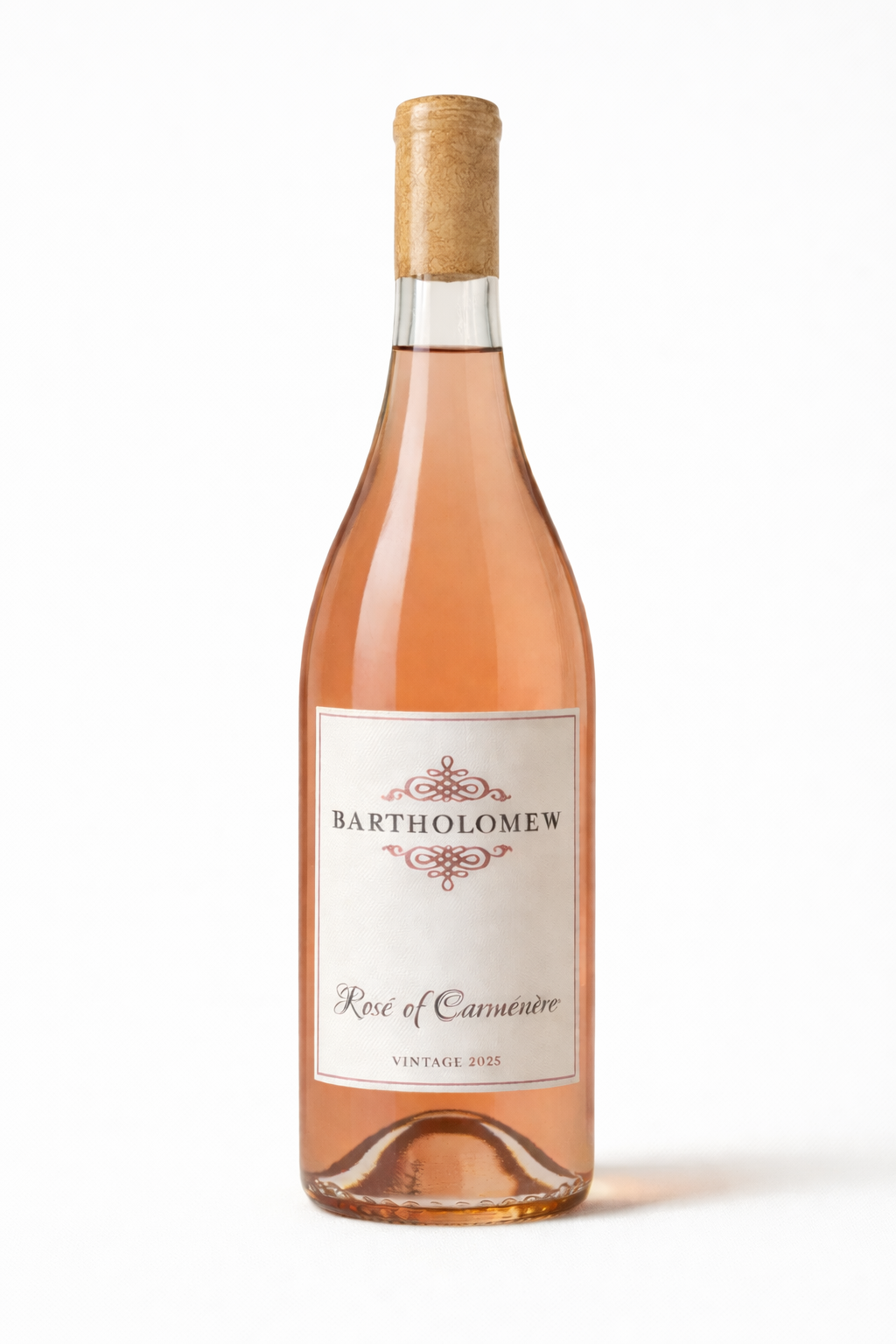
Our 2025 Rosé of Carmenère was whole-cluster pressed, separating the juice from the skins almost immediately. Without extended skin contact, there is little extraction of the dark color and tannin found in red Carmenère, while its familiar herbaceous and savory characteristics become much more subdued.
What remains is another side of the grape: bright fruit, fresh aromas and the acidity that makes your mouth water after every sip. Served cold, with little tannin to leave the mouth dry, those qualities are what make rosé so refreshing.
The process may remove many of the characteristics we associate with red Carmenère, but it does not make the grape disappear. It simply changes which parts of Carmenère we get to taste.
Two decades of working with this grape in countless ways: by itself, in a blend or even as a pink wine, have shown us the depth of what can be experienced through Carmenère. Done right, one grape can make many different bottles to enjoy.